
We’ve gathered a selection of classics, newer books, short stories, and tales from different cultures, with something for a range of ages and reading interests. Take a look through the list and see what catches your imagination.
And when you read a spooky story, try paying attention to the choices the writer makes. How do they make you feel nervous? What makes you keep reading? What do they tell you, and what do they leave you wondering about?
You can even borrow some of those techniques for your own writing!
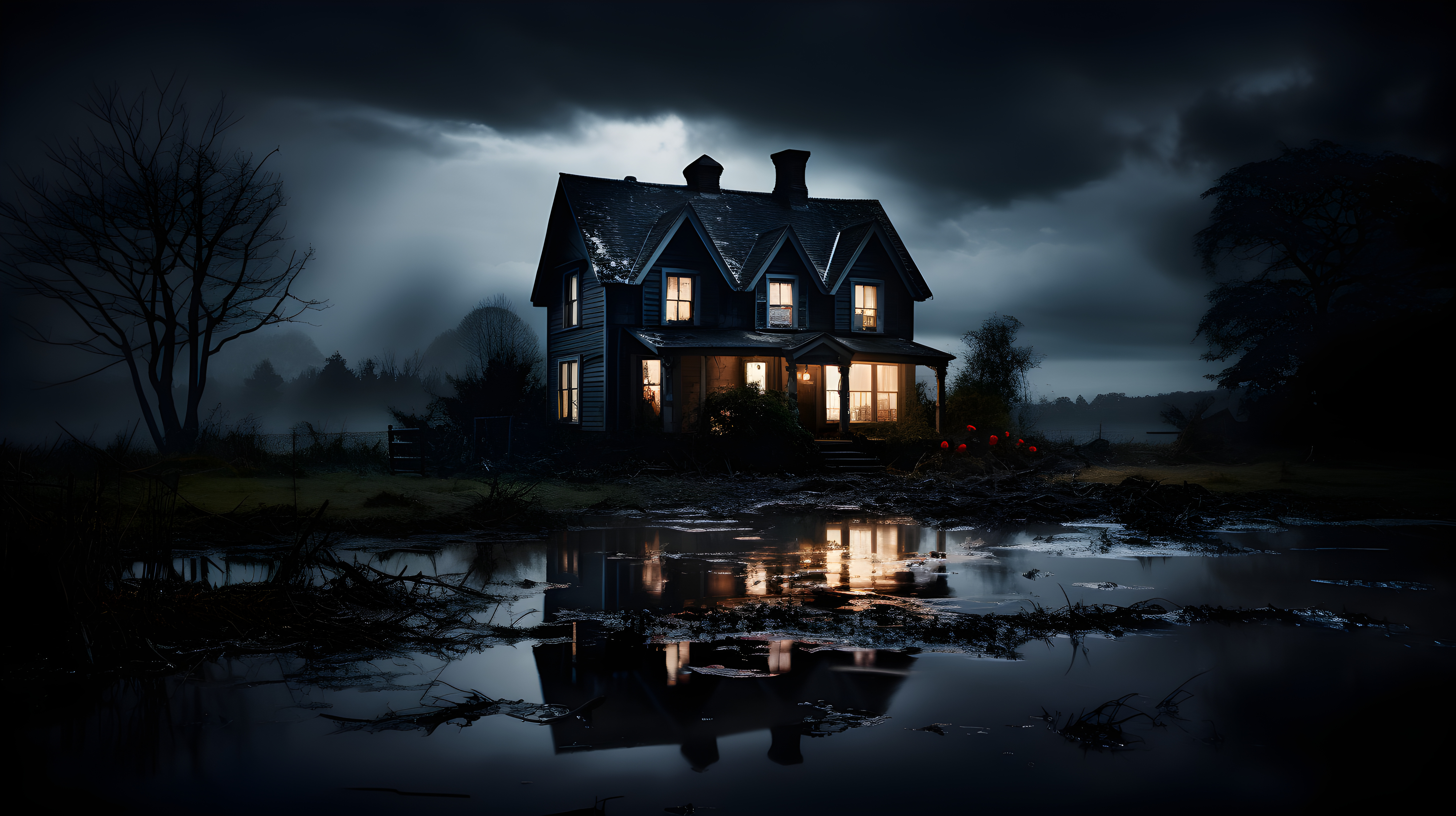
For readers who are just starting to explore spooky stories, this section includes creepy picture books, playful scares, ghosts, monsters, and early chapter books. Some are funny, some are mysterious, and some are spooky, but none require you to be ready for a full-length horror novel.
Read Like a Writer Tip: Horror doesn’t always start somewhere scary. Notice how these stories take ordinary places, objects, or situations and make them feel different. What changes?
These stories turn up the suspense, with haunted houses, supernatural creatures, dark folklore, mysteries, and adventures that can get seriously creepy. You’ll find both modern stories and classics, with plenty of different kinds of scares to explore.
Read Like a Writer Tip: Building suspense is key to a great scary story. Pay attention to the moments when you know something is about to happen, but you don’t know exactly what. What information does the author give you? What do they make you wait to discover?
For readers ready for darker and more complex stories, this section includes Gothic classics, psychological horror, supernatural fiction, science fiction, and contemporary horror. Some of these books may be frightening or disturbing, so check the age range and content before diving in.
Read Like a Writer Tip: Sometimes the scariest stories don’t explain everything. Notice what the author leaves unanswered and how that uncertainty makes you wonder what is really happening. What can you leave unexplained in your own story and let your reader imagine?
You don’t need a whole novel to get a good scare. These short stories explore everything from ghosts and monsters to unreliable narrators, strange discoveries, and ordinary situations that take a very wrong turn. They’re also a great way to see how writers create suspense and fear in just a few pages.
Read Like a Writer Tip: The person telling a story doesn’t always tell the whole truth or even understand what’s really happening. Notice what the narrator knows, misses, or gets wrong. How would a story change if your narrator couldn’t be trusted?
Horror can be especially powerful when you can see it. These graphic novels and manga use art, pacing, page turns, shadows, and sometimes the space between panels to create suspense and unease. Expect everything from ghosts and folklore to monsters and much stranger things.
If you’re interested in exploring classic horror fiction like Dracula and Frankenstein but aren’t quite ready to read the whole thing, look for a kid-friendly graphic novel adaptation.
So what will you make scary?
Send your submissions to giftedyouth@americanmensa.org.